Beyond Coping: Why Traditional Stress Management Fails High-Achievers (And How to Fix the 'Upstream' Signal)
Introduction
You excel in your career, meet every deadline, and lead with confidence. On the outside, you are the picture of success. But internally, you're navigating a constant, low-grade hum of stress, mental fog, and emotional friction. You've tried it all—mindfulness apps, productivity systems, even therapy—and while some things provide temporary relief, you inevitably find yourself back at a familiar, stressed baseline. This frustrating cycle isn't a personal failing. It's a sign that you're trying to solve the wrong problem. The issue isn't your coping mechanism; it's the fundamental, 'upstream' biological signal that's driving your internal state.
The Flaw in a 'Software-Only' Approach
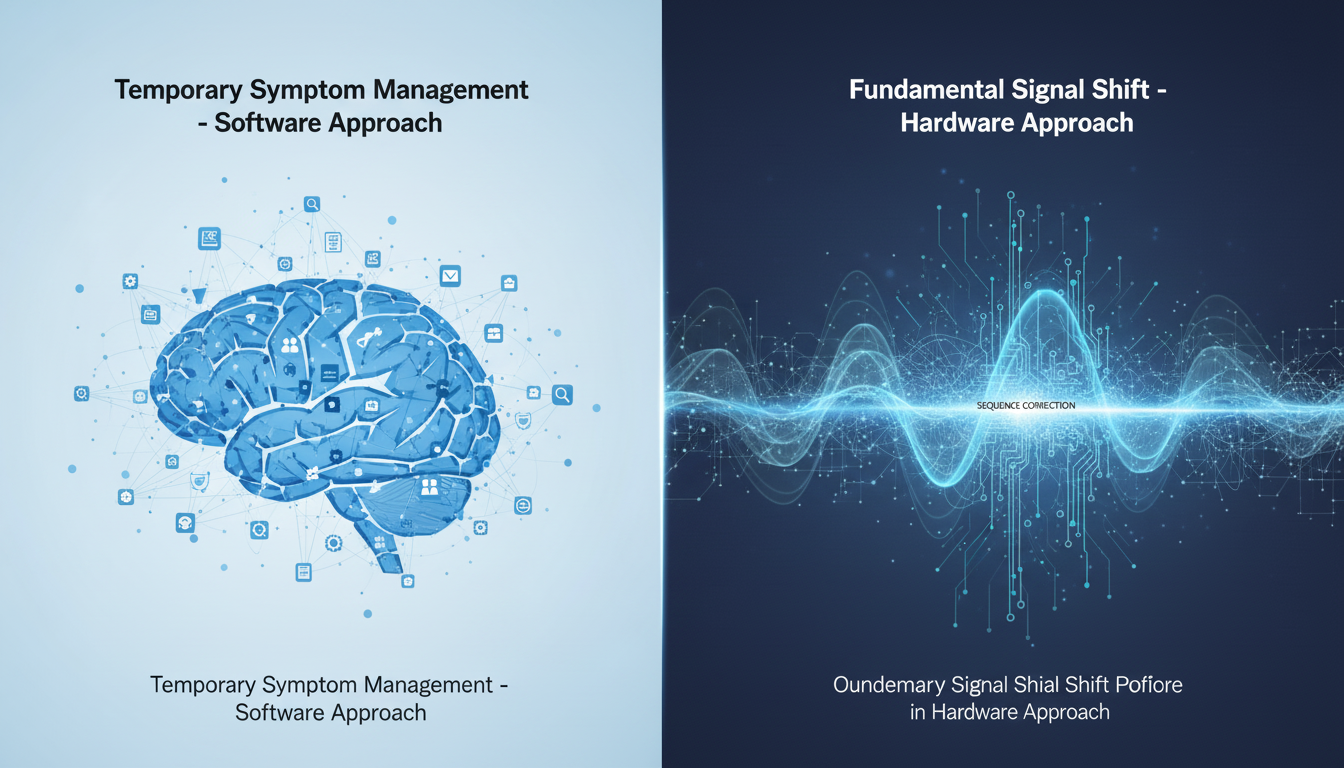
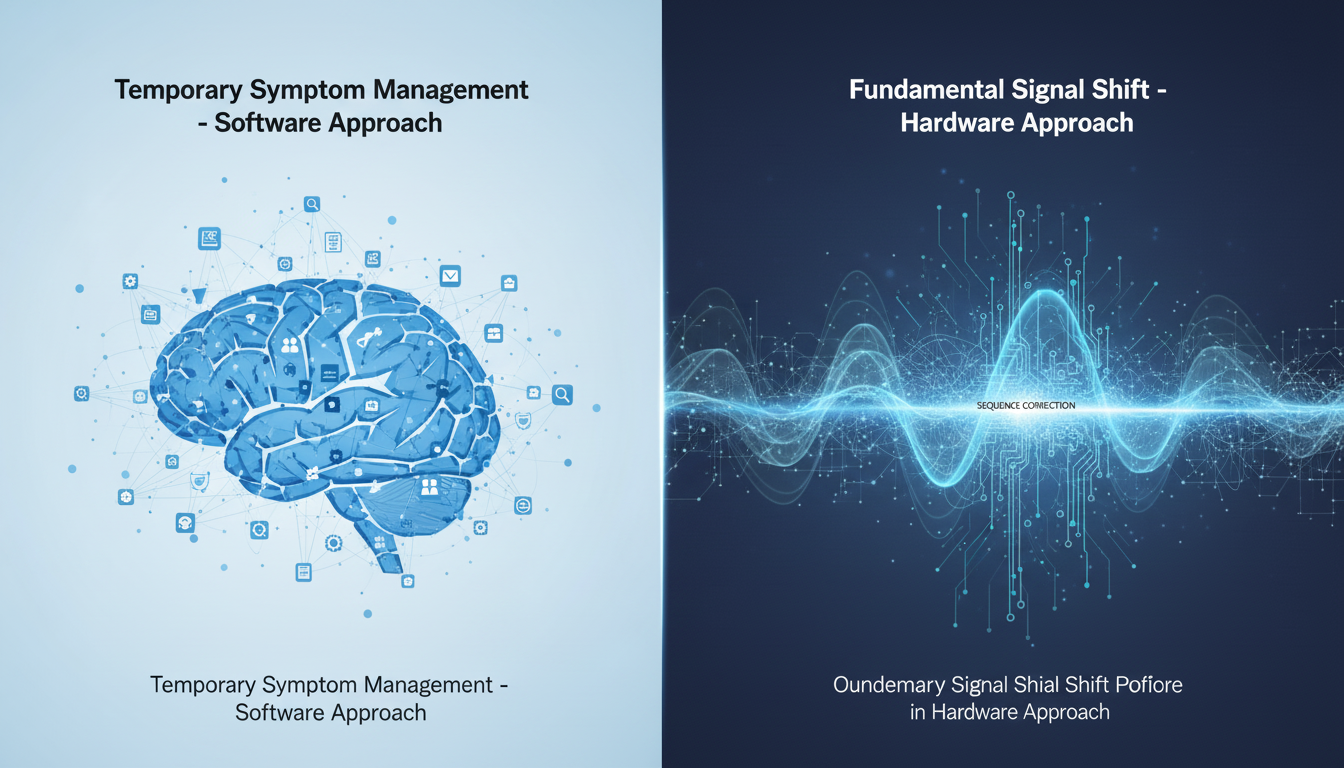
Think of your mind and body as a sophisticated computer system. Most stress management techniques are like 'software' applications: they help you manage thoughts, reframe perspectives, and modify behaviors. These are valuable tools, but they can only do so much when your underlying 'hardware'—your nervous system—is continuously sending out distress signals. You can’t install a new productivity app and expect it to fix a computer that's overheating. Similarly, you can’t meditate your way out of a nervous system that is biologically wired for high alert. This is why relief feels fleeting and burnout looms; you're only addressing the symptoms, not the root signal causing the system to overload.
What is Your Internal 'Signal'?
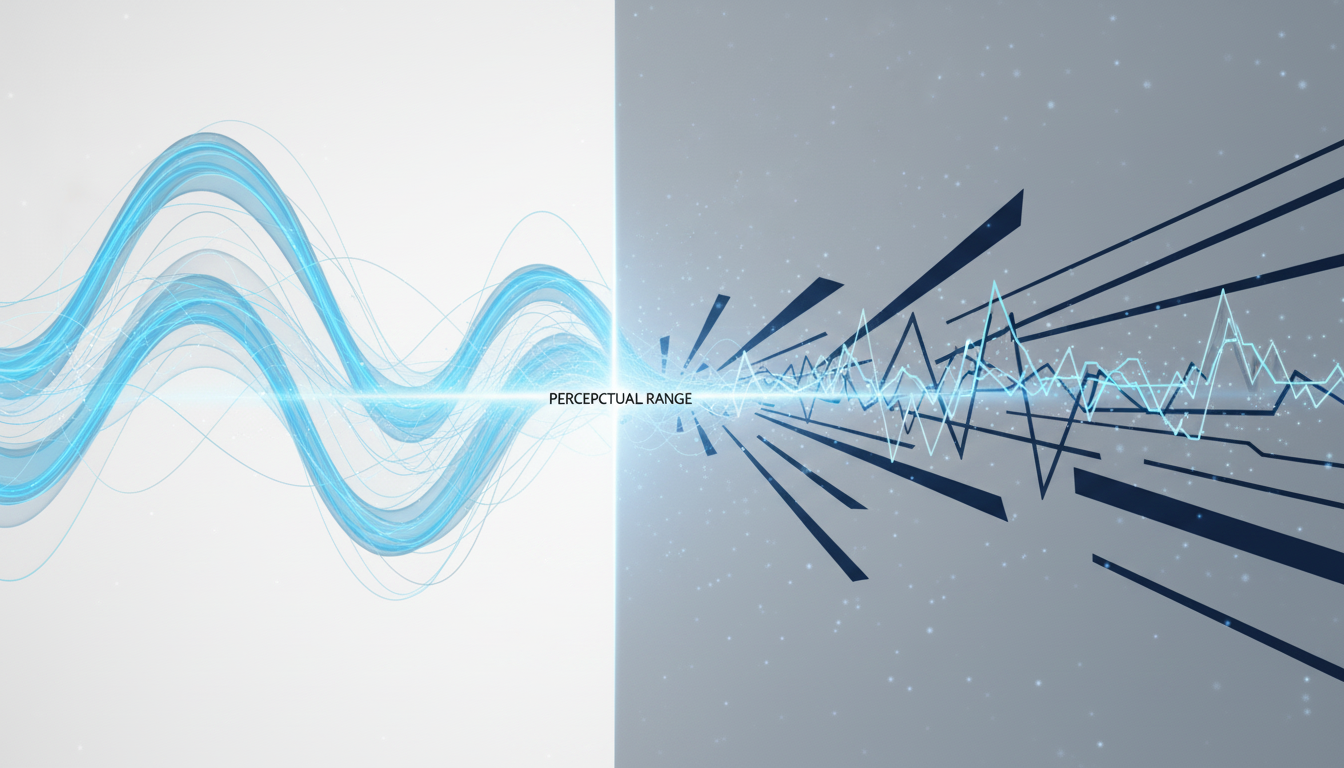
So, what is this 'upstream' signal? Before you even form a conscious thought or feel an emotion, your body is processing a constant stream of biological data. This is your internal signal. It's the pre-cognitive input that shapes your perception of reality. In our hyper-connected, fast-paced modern world, this signal is under constant assault. The never-ending pings, notifications, and demands create a state of 'compression,' which dramatically narrows your perceptual and emotional 'range.' Your ability to think clearly, feel deeply, and respond thoughtfully shrinks. Instead, you're left with chronic reactivity, persistent brain fog, and a feeling of being perpetually overwhelmed. You're not just stressed; your entire operating system is functioning with a compressed bandwidth.
Micro-Plasticity: The 2-Second Reset to Retrain Your Signal
If the problem is at the hardware level, the solution must be too. This is where the CELF methodology, known as Signal Shift, comes in. Instead of adding another hour-long commitment to your packed schedule, this approach is built on 'micro-plasticity'—brief, frequent, and targeted nervous system resets that take only 2-5 seconds. By strategically integrating these micro-practices into your day—often hijacking existing digital habits like unlocking your phone—you can begin to fundamentally retrain your nervous system's baseline. This isn't about managing the cognitive output (your stressful thoughts); it's about changing the biological input (the signal itself). It’s a powerful, efficient method for decompressing your system, expanding your range, and restoring your internal hardware to its optimal state.

Conclusion
For high-achievers, simply 'coping' with stress is no longer a viable strategy. It's time to stop managing the endless symptoms and start mastering your internal state at its source. True, predictable control doesn't come from another app or productivity hack; it comes from addressing the root biological signal that dictates your experience. By shifting your focus from software-level fixes to hardware-level training, you can move beyond the exhausting cycle of stress and burnout.
Discover how you can achieve measurable relief and gain true, conscious authorship over your well-being. The CELF methodology provides the tools to recalibrate your internal signal, expand your range, and unlock a new level of clarity and performance, even under pressure. It's time to fundamentally shift your baseline and build a more resilient internal infrastructure.
Leave a Reply